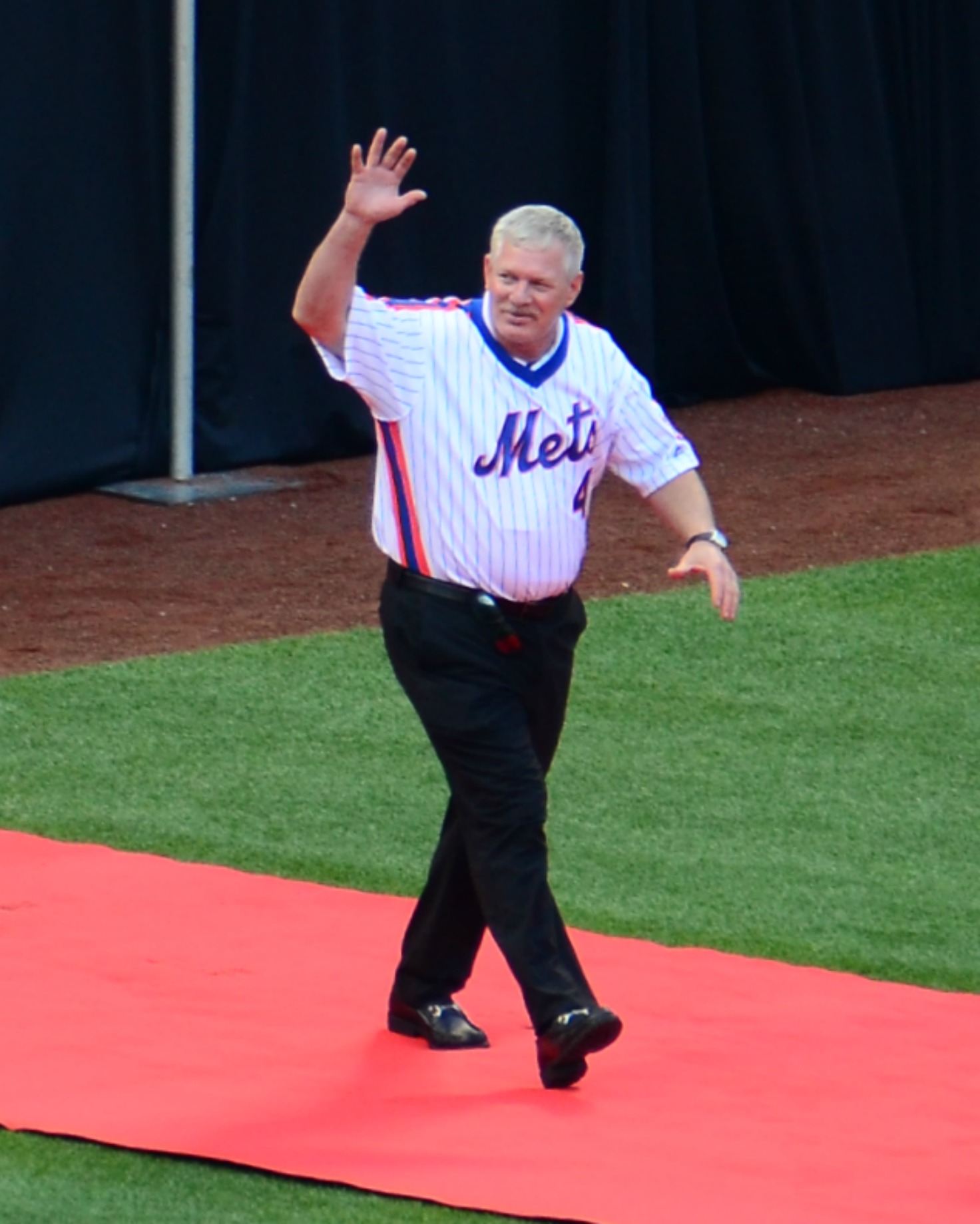

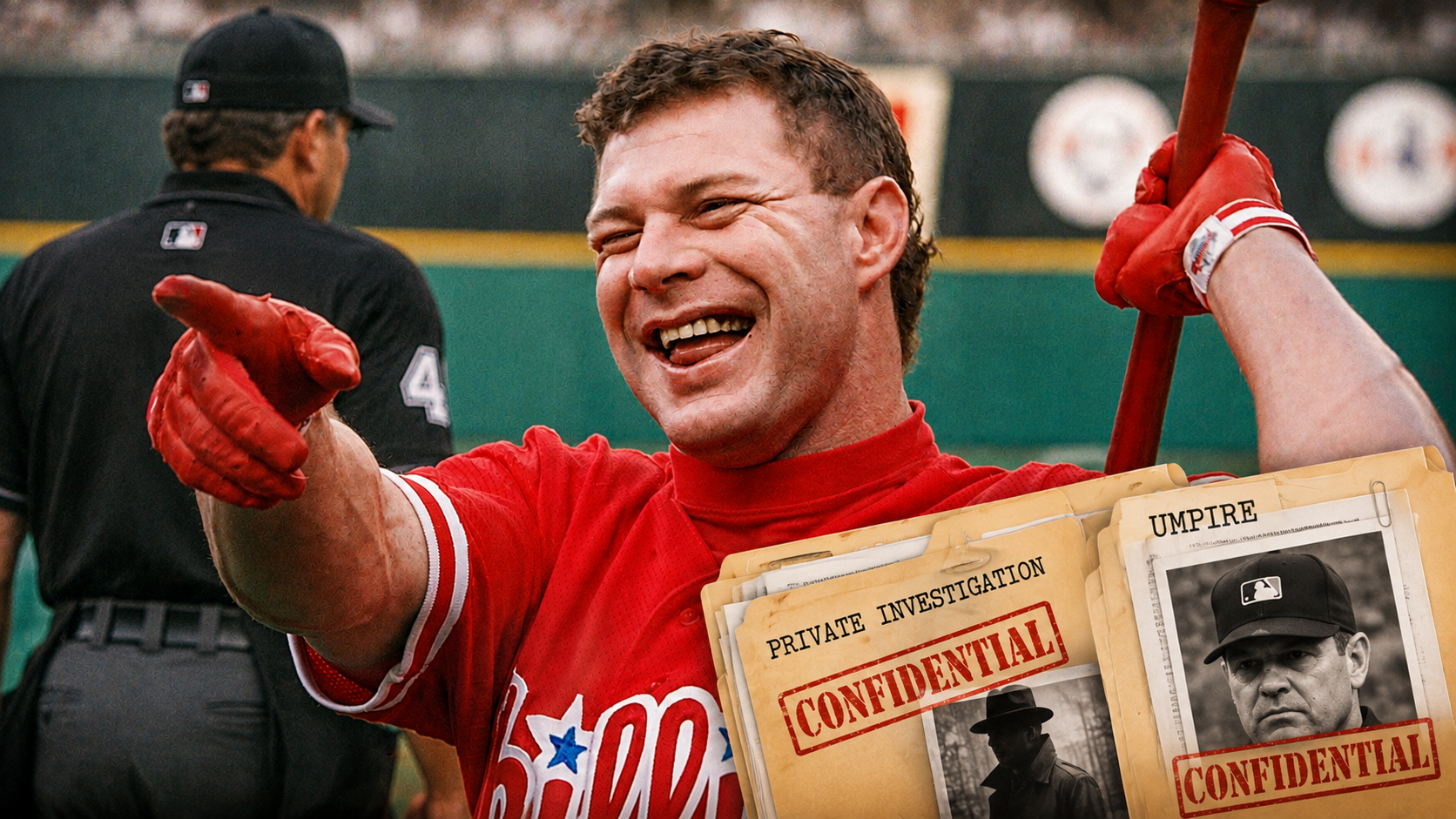
There are plenty of ways to work an umpire in Major League Baseball.
Argue a borderline strike. Complain about the zone. Build a relationship over the course of a series. Maybe even give the umpire a little grief and hope the next close pitch goes your way.
Lenny Dykstra claimed he took things much, much further.
The former New York Mets and Philadelphia Phillies star once publicly claimed that he spent $500,000 hiring private investigators to dig into the personal lives of MLB umpires, searching for information he could use to intimidate them at the plate. His goal, according to Dykstra himself, was simple: get a smaller strike zone.
And according to Dykstra, sometimes all it took was one question.
“Did you cover the spread last night?”
Imagine being an umpire behind home plate. Dykstra steps into the batter's box. You call a borderline pitch a strike.
Then he turns around and says something that makes you wonder how much he knows about your life away from the ballpark.
That's the story Dykstra told years after his playing career ended — and if his claims are true, it represents one of the strangest attempts to gain a competitive advantage baseball has ever heard.
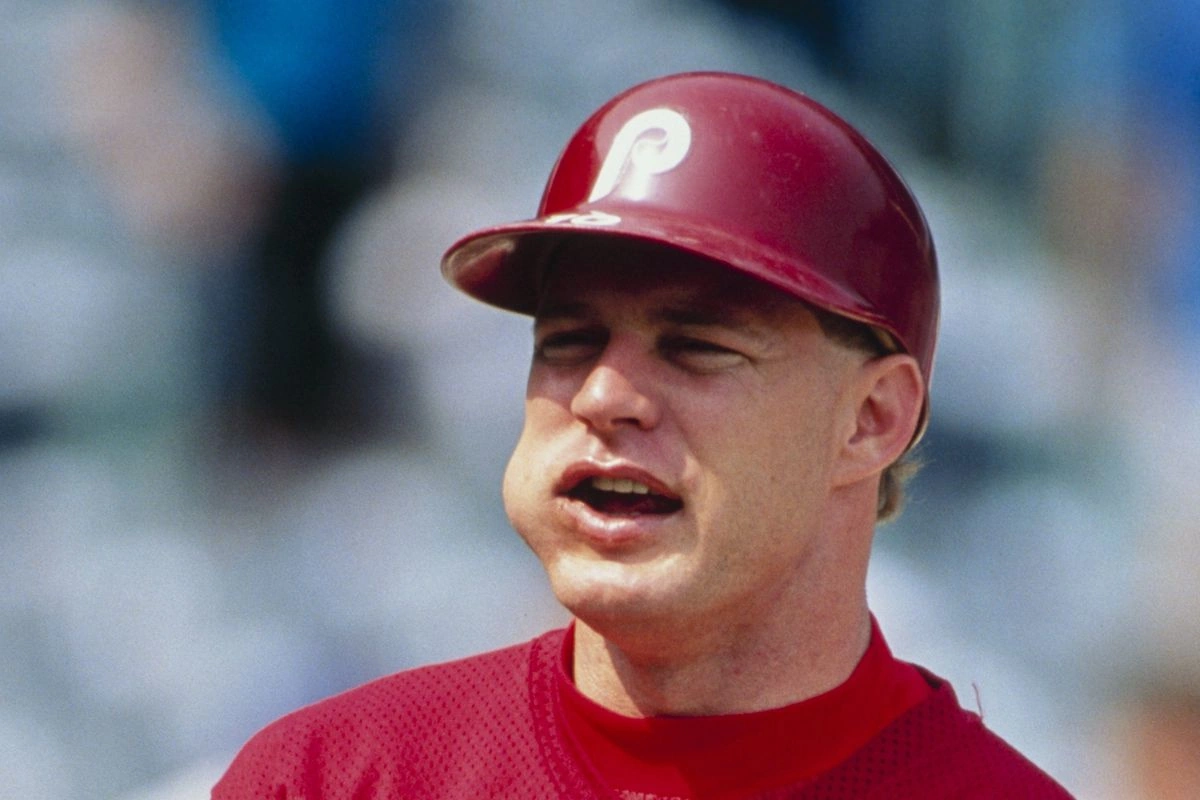
Meet “Nails”
Long before these allegations became public, Lenny Dykstra was one of baseball's most recognizable personalities.
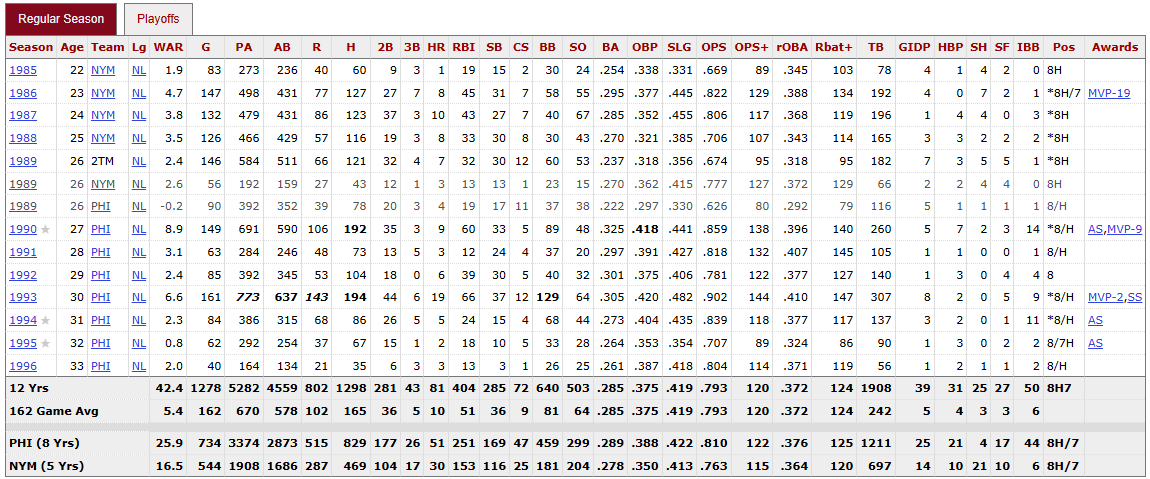
Nicknamed “Nails,” Dykstra played 12 MLB seasons from 1985 through 1996 with the Mets and Phillies. He won the 1986 World Series with New York before becoming a three-time All-Star in Philadelphia.
He wasn't the biggest player on the field. He wasn't the most naturally gifted, either.
But Dykstra built his reputation around aggression, intensity and doing seemingly anything necessary to gain an edge.
That mentality apparently extended far beyond the batter's box.
In a 2015 appearance on The Herd with Colin Cowherd, Dykstra dropped a bombshell: He claimed he had hired private investigators to investigate MLB umpires.
Not to study their strike zones.
To study them.
A $500,000 Search for Dirt
According to Dykstra, he allocated approximately $500,000 to investigators before his monster 1993 season.
Their assignment was allegedly to uncover compromising information about umpires.
Dykstra claimed investigators looked into everything from relationships to gambling and other aspects of umpires' private lives. He believed that information could give him leverage when he stepped into the batter's box.
Dykstra's explanation was chillingly straightforward.
“Fear does a lot to a man,” he said.
The concept was essentially psychological warfare.
If an umpire believed Dykstra knew something that could threaten his reputation or career, would that umpire still confidently ring him up on a borderline pitch?
Dykstra believed the answer was no.
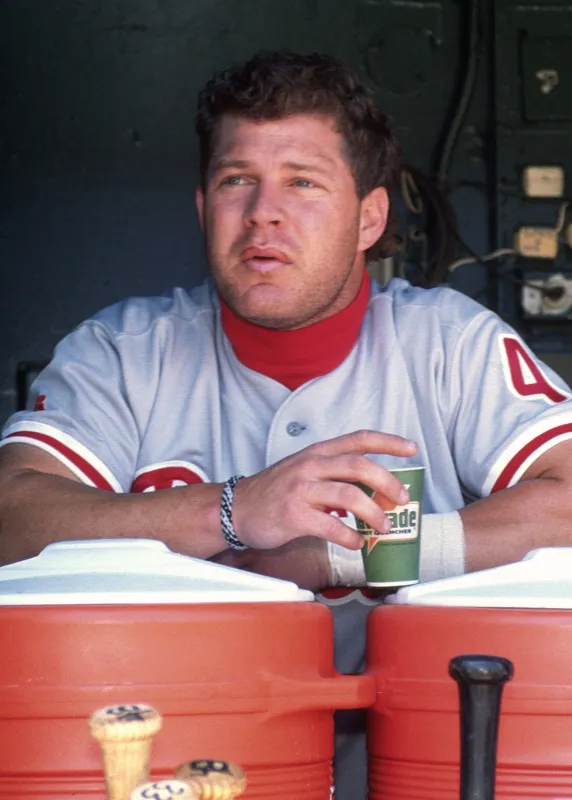
“Did You Cover the Spread Last Night?”
This is where the story becomes almost unbelievable.
Dykstra described a hypothetical interaction in which a strike would be called against him and he would respond by asking the umpire:
“Did you cover the spread last night?”
The implication mattered far more than the words themselves.
How does he know?
What else does he know?
Who has he talked to?
Dykstra claimed that kind of fear could cause an umpire's strike zone to suddenly become a little more favorable.
Whether the scheme actually influenced individual calls is another question entirely. Dykstra's story is ultimately his own claim, and it shouldn't be presented as independently established fact that umpires changed calls because he threatened them.
But there is one part of the story we can verify.
What happened statistically in 1993 was extraordinary.
Then Came the Best Season of His Career
Dykstra drew just 40 walks in 392 plate appearances in 1992.
One year later?
129 walks in 773 plate appearances.
He led the National League in walks. He also led the NL in hits and runs, helped Philadelphia reach the World Series and finished second to Barry Bonds in National League MVP voting.
Dykstra himself later pointed to those numbers while discussing his alleged scheme.
He essentially argued that his sudden explosion in walks wasn't a coincidence.
Of course, correlation isn't proof.
There were plenty of baseball reasons Dykstra could draw more walks. Plate discipline, approach, pitching strategy, playing time and natural year-to-year variation all matter. His claims do not establish that 129 walks were the product of intimidated umpires.
But Dykstra certainly wanted people to believe his strategy worked.
And that's what makes the story so fascinating.
Was It Actually Blackmail?
By Dykstra's own description, blackmail is a fair characterization of what he claimed to be doing.
He wasn't describing normal gamesmanship. He was describing gathering potentially damaging personal information and using the implied threat of exposing it to influence another person's behavior.
ESPN itself characterized his claim as spending money on investigators to “blackmail umps for better calls,” while MLB reported that it planned to investigate Dykstra's allegations after they became public in 2015.
That distinction is important.
There's an enormous difference between convincing an umpire that the last pitch was outside and making an umpire wonder whether the player standing six feet away knows potentially career-destroying information about him.
If Dykstra's account is accurate, this wasn't simply working the strike zone.
It was trying to control the person calling it.

The Ultimate Competitive Edge — or an Unverifiable Baseball Tale?
There is also an important caveat whenever discussing Lenny Dykstra:
The source of this incredible story is Lenny Dykstra himself.
The public reporting surrounding the story largely traces back to Dykstra's own statements. MLB said at the time that it would look into the claims, but Dykstra telling the story does not independently prove every detail happened exactly as he described it.
That's why the safest way to understand the story isn't “Lenny Dykstra definitely controlled MLB umpires.”
It's this:
Lenny Dykstra openly claimed that he spent hundreds of thousands of dollars investigating umpires so he could use their secrets as leverage for favorable calls.
Even that version is astonishing.
Baseball history is filled with players looking for an edge.
Pitchers have doctored baseballs. Hitters have corked bats. Teams have stolen signs. Players have used performance-enhancing drugs. Managers have spent more than a century screaming at umpires hoping the next borderline call goes their way.
But Dykstra's alleged method belongs in a category of its own.
He didn't claim to have found a flaw in an umpire's strike zone.
He claimed to have found flaws in the umpires themselves.
And when he stepped into the batter's box, sometimes the most intimidating weapon he had wasn't his bat.
It was a question:
“Did you cover the spread last night?”