

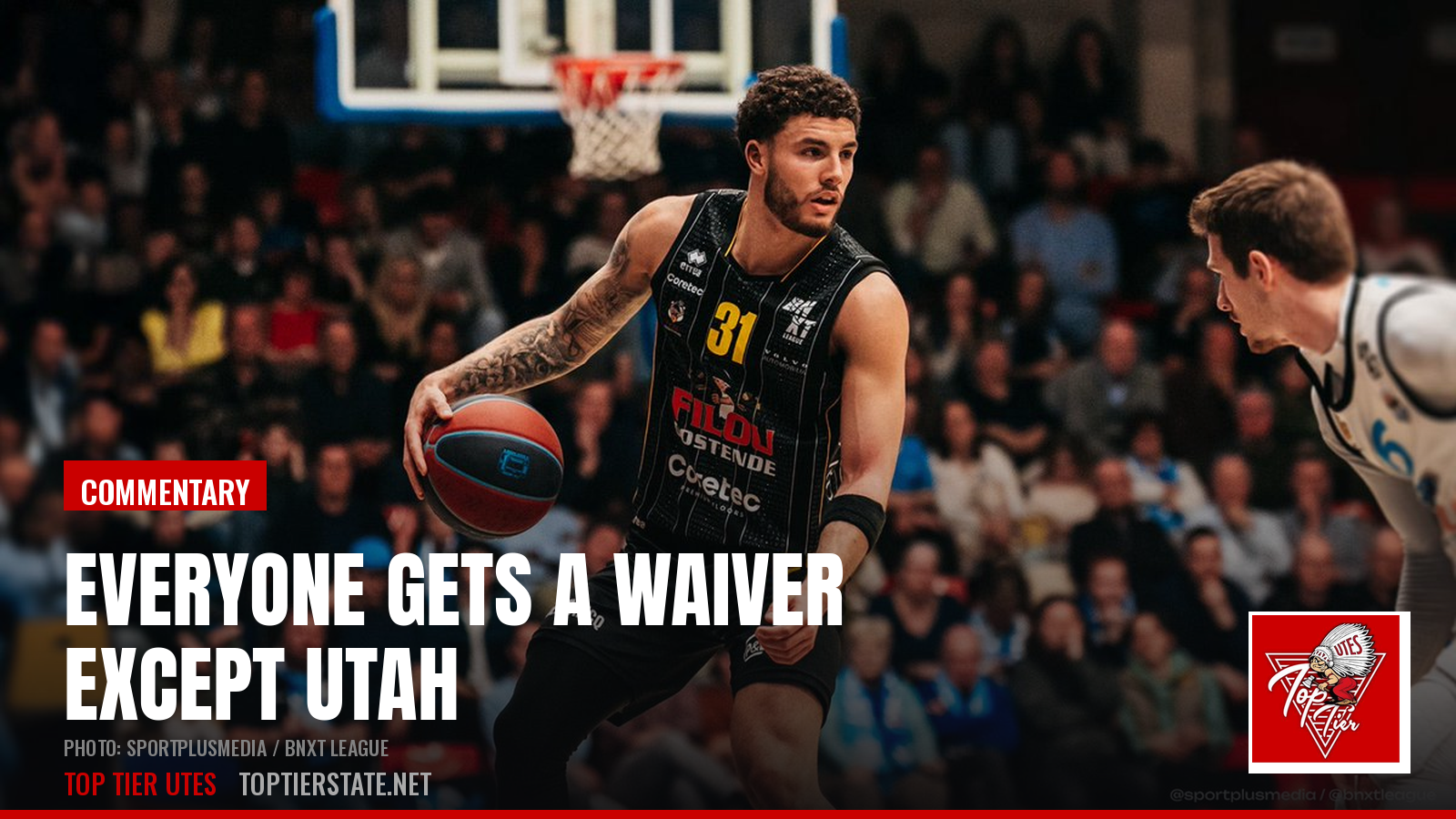
On Monday night, Utah confirmed what Ute fans had been dreading for weeks. Noam Yaacov, the Israeli guard who was supposed to run Alex Jensen's offense this winter, has been ruled ineligible by the NCAA. His waiver was denied, his appeal was denied on August 20, and just like that the most intriguing addition to the Runnin' Utes roster is gone before he ever put on the uniform in a real game.
The NCAA did not say why. That part matters, so sit with it for a second. A 21-year-old kid had his college career ended by a governing body that declined to explain its reasoning, in the same news cycle where players who literally signed NBA contracts were cleared to suit up somewhere else.
If that sounds backwards to you, welcome to college basketball in 2026.
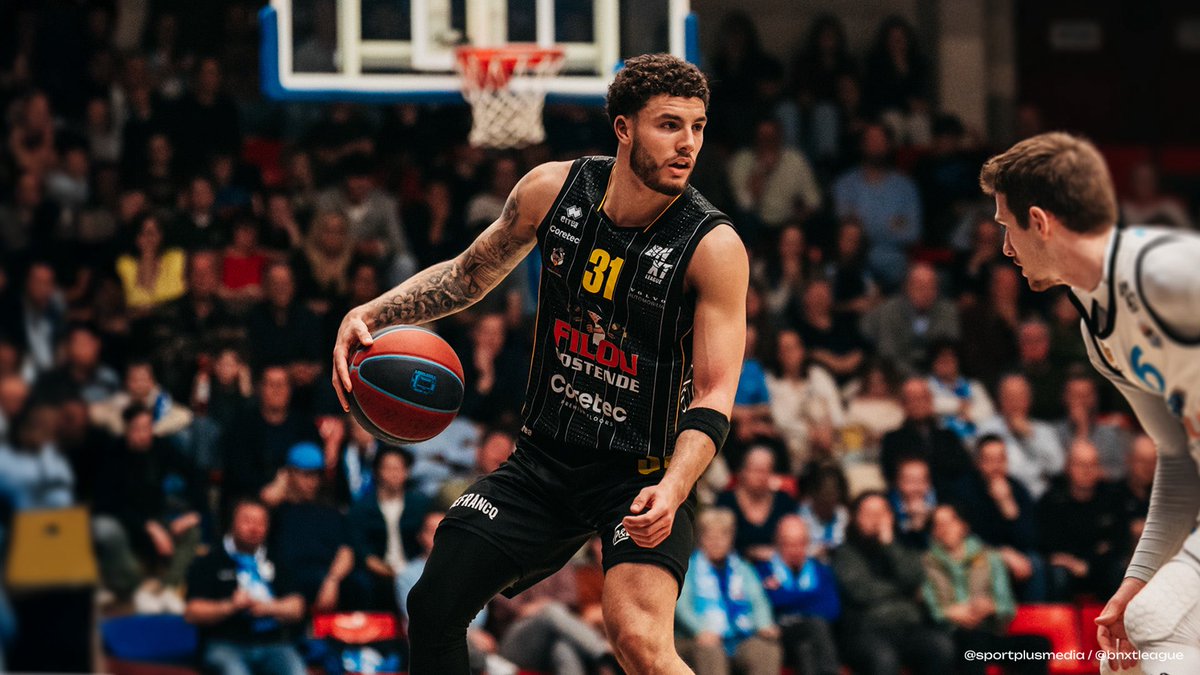
What Utah Actually Lost
Let's be clear about the player first. Yaacov was not a flier or a depth piece. He was one of three finalists for MVP of the BNXT League last season, averaging 17.4 points, 5.8 assists and 3.9 rebounds for Filou Oostende while dragging that team all the way to the Belgian championship finals. He went through the G League Draft Combine, scrimmaged at the NBA Draft Combine, and went undrafted in June, which is exactly why the college route made sense for both sides.
And yes, let's say the quiet part out loud, because the replies will anyway. Yaacov has a real pro resume. He signed with ASVEL in France at 16, logged EuroLeague minutes as a teenager, spent time on loan with Hapoel Jerusalem and Hapoel Tel Aviv, and won a EuroCup title in 2025 before his breakout year in Belgium. That is not a technicality. That is a professional career. It is also the completely standard development path for a European or Israeli prospect, because there is no AAU circuit and no NCAA pipeline over there. Club systems are the only road, and the NCAA has cleared international players with exactly this kind of background before.
Jensen signed him in June to be the starting point guard. Shot-making, real playmaking, a guy who had already run offenses against grown men in real leagues. For a program with a draft drought that stretches back to Kyle Kuzma in 2017, Yaacov was the kind of swing you take. Utah worked the eligibility process for two months. The answer came back no, twice, with no explanation attached.
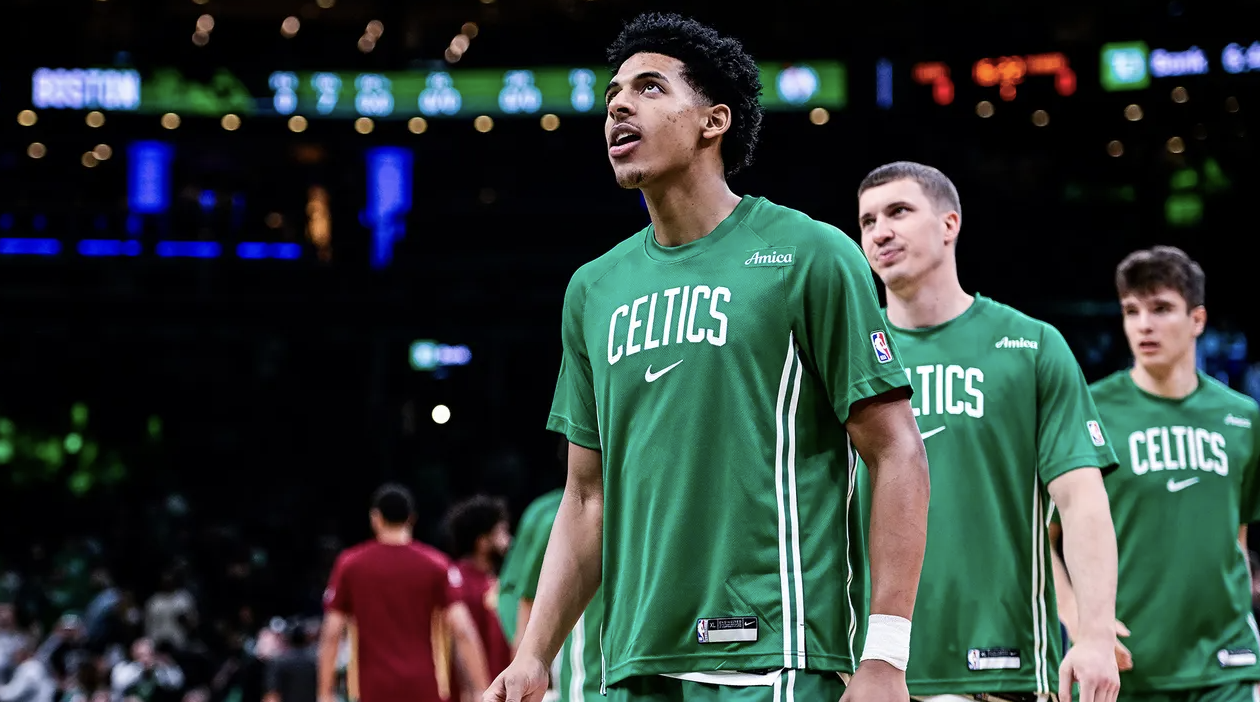
Meanwhile, in Baton Rouge
Now here's the part that should make every Utah fan's blood boil.
The same week Yaacov's appeal died, a judge in Louisiana granted RJ Luis Jr. an injunction to play for LSU. Luis is the 2025 Big East Player of the Year who declared for the draft, went undrafted, signed a two-way contract with the Utah Jazz, and got traded to the Boston Celtics. Two NBA contracts. The judge's reasoning? Since Luis never appeared in a regular season NBA or G League game, in the court's mind he "did not actually play professional basketball."
Read that again. A man who signed contracts with two NBA franchises did not actually play professional basketball, according to an American courtroom. But a kid who came up through European club basketball, because that is simply how development works for an Israeli prospect, is too professional for the NCAA.
It does not stop there. Mark Mitchell signed an Exhibit 10 deal and a local judge cleared him for Kentucky. And one day after the Luis ruling, LSU added Gilad Levy, a 7-foot-3 center from Israel with three seasons of Israeli pro ball on his resume. Levy still has to get cleared, but Will Wade is clearly betting the system will let him in, and given how this summer has gone, why wouldn't he? Earlier this offseason LSU was also chasing Yam Madar, a 25-year-old Israeli pro. The blueprint is obvious: sign the pros, lawyer up, and let the courts do what the waiver desk won't.
Two Systems, One Loser
So we now have two completely different paths into college basketball. If you are an American player who signed actual NBA paperwork, you sue, you find a friendly courtroom, and you play. If you are an international kid who developed in a club system, the way virtually every European and Israeli player has to, you file a waiver and pray, with no transparency and apparently no consistency.
The NCAA has granted eligibility to international players with overseas pro experience before. That precedent exists. Which makes the Yaacov decision even harder to swallow, because nobody outside that room knows what separated his case from the ones that got approved, or from the former pros walking into SEC gyms right now with court orders in hand.
Utah did everything by the book. Signed the player in June, worked the process, filed the appeal. The programs treating eligibility like a legal chess match are being rewarded. The program that played it straight lost its point guard.
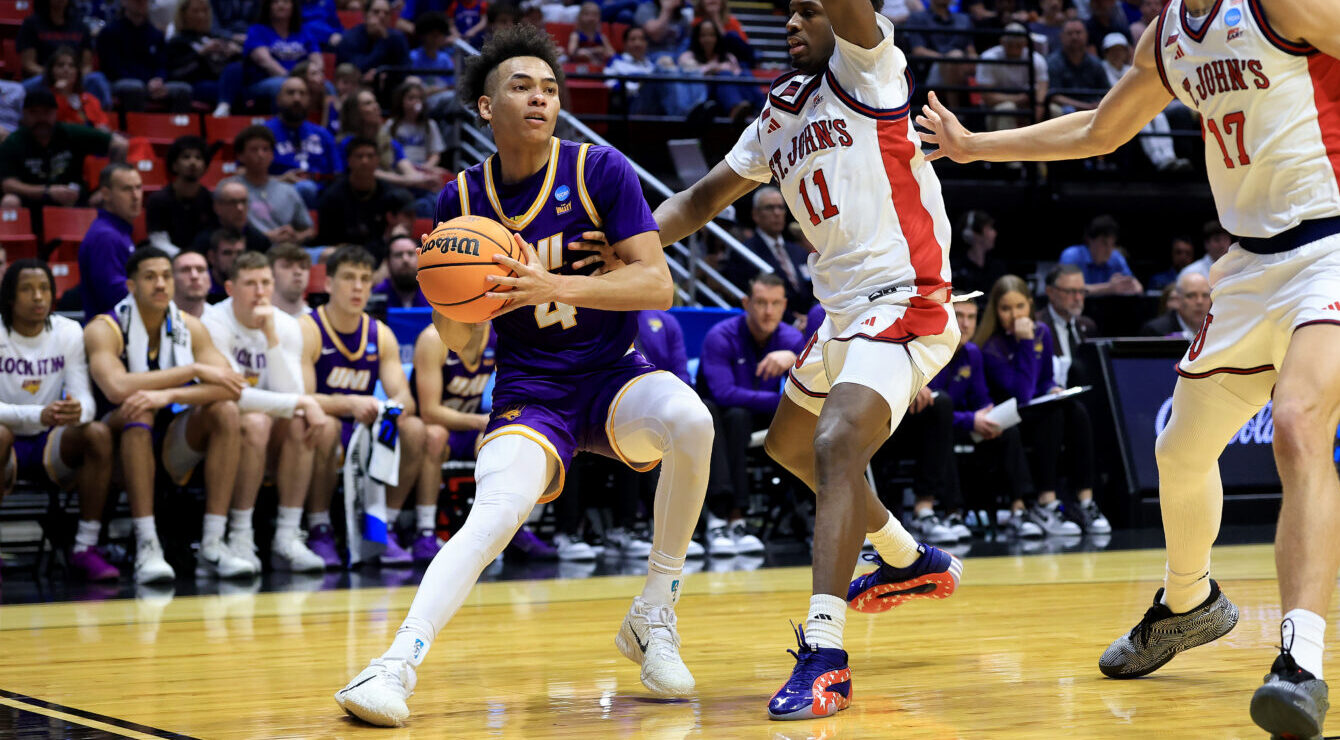
Where the Utes Go From Here
The contingency plan is Trey Campbell, the former Northern Iowa guard who averaged 13.7 points, 3.8 assists and 3.8 rebounds while starting all 36 games last season and helping the Panthers reach the NCAA Tournament. He is with the team and cleared to practice, but even his situation is tangled in this mess. Campbell is seeking a fifth year under a Denver court ruling from July that the 10th Circuit has since stayed, which means his eligibility is also sitting in legal limbo. Of course it is.
If Campbell gets cleared, Utah adds an experienced, all-conference caliber guard who can steady the backcourt, even if he doesn't bring Yaacov's offensive ceiling. If he doesn't, Jensen's year two just got a lot harder before a single ball is tipped.
Nobody knows how good this Utah team is going to be, and honestly, right now nobody even knows who is going to be on it. If you have strong opinions about how the season shakes out anyway, our partner Underdog is the place to put those opinions to work. Our link is at the bottom of this article.
The Fix Is Coming Too Late
The NCAA already approved an age-based eligibility model back in June, the one everybody calls 5-in-5, which replaces the old framework and takes full effect for new enrollees in fall 2027. It was designed specifically to kill the waiver chaos and the courtroom lottery. That helps the next Noam Yaacov. It does nothing for this one.
Here's the bottom line. Either playing professionally disqualifies you from college basketball or it doesn't. Right now the answer is "it depends on your lawyer," and a kid who did it the honest way, in public, in a real league, is the one paying for it. Yaacov will land on his feet, probably in the G League or back in a good European situation, and he'll get paid to play basketball either way. But he wanted to be a Ute, Utah wanted him, and the only thing standing in the way was a rulebook nobody can see being enforced by people who won't explain themselves.
Go Utes. And NCAA, do better.
Support the site by using our Underdog link: play $5 and get $50 in bonus entries after your first entry. New users only, terms apply. https://play.underdogsports.com/vgwg/p-ttutes