

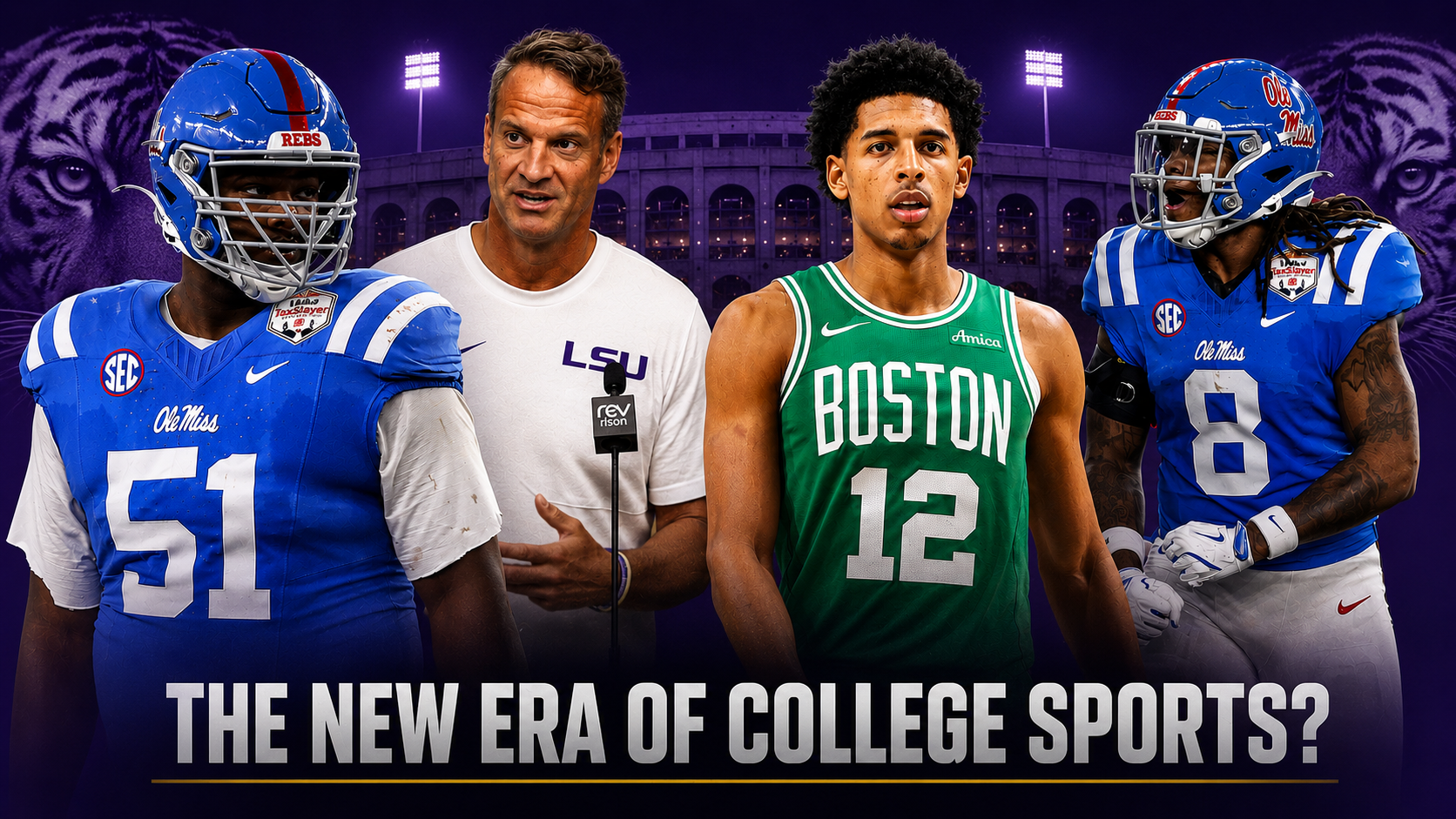
There was a time when leaving college football or basketball for the professional ranks meant the end of your college career.
Once you signed with an NFL or NBA organization, the door back to campus was essentially closed.
That door is now wide open.
And few programs are taking advantage of the changing landscape more aggressively than LSU.
In the span of a few months, LSU has positioned itself at the center of one of the most unusual developments in modern college athletics: former professional players—or players with legitimate professional contracts and draft ties—attempting to return to the college game.
The Tigers’ football and basketball programs are both involved.
And the common denominator is simple: the rules surrounding eligibility are changing faster than anyone can keep up.
From the NFL to Baton Rouge
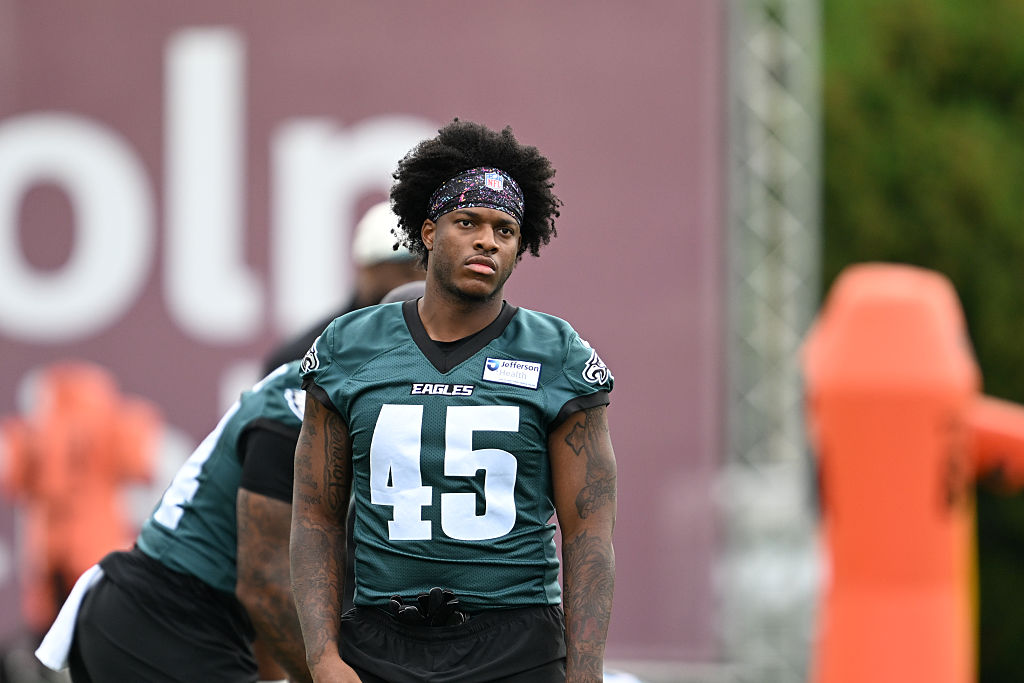
The most unprecedented case involves Dae’Quan Wright.
Wright spent the past two seasons at Ole Miss under current LSU head coach Lane Kiffin before entering the 2026 NFL Draft. After going undrafted, he signed with the Philadelphia Eagles and was later claimed by the Cleveland Browns.
Now, after being waived by Cleveland, Wright has an agreement in place to play for LSU if he clears waivers.
If the move becomes official, Wright would make history as the first player to go from the NFL back to college football and actually compete at the college level. (People.com)
That’s not a typo.
A player who was recently on an NFL roster could soon be lining up in Tiger Stadium as a college football player.
The circumstances are rooted in the legal battle surrounding the NCAA’s eligibility rules. A Louisiana court temporarily granted Wright and other members of the 2022 recruiting class an additional year of eligibility, opening a pathway that previously did not exist. (Reuters)
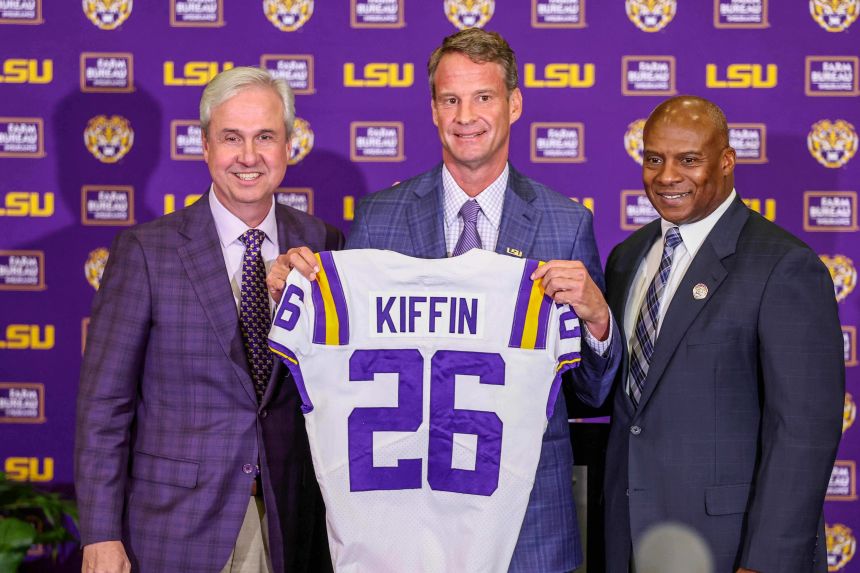
And Kiffin isn’t apologizing for taking advantage of it.
“Most” coaches will eventually recruit from the same pool, Kiffin argued Monday, defending LSU’s pursuit of former NFL players who now have another year of eligibility. (Reuters)
Wright isn’t the only former NFL player heading toward Baton Rouge.
Former Ole Miss defensive lineman Zxavian Harris was recently waived by the New Orleans Saints and announced that he intends to join LSU as well. Harris was an All-American-level contributor for the Rebels in 2025, recording 58 tackles, three sacks, three pass breakups and an interception. (CBS Sports)
That means Kiffin could potentially have two players on his 2026 LSU roster who recently had NFL opportunities.
And both know his system.
That’s a major advantage.
Then there’s basketball
If the football situation sounds bizarre, LSU basketball has managed to create an equally fascinating version of the same story.
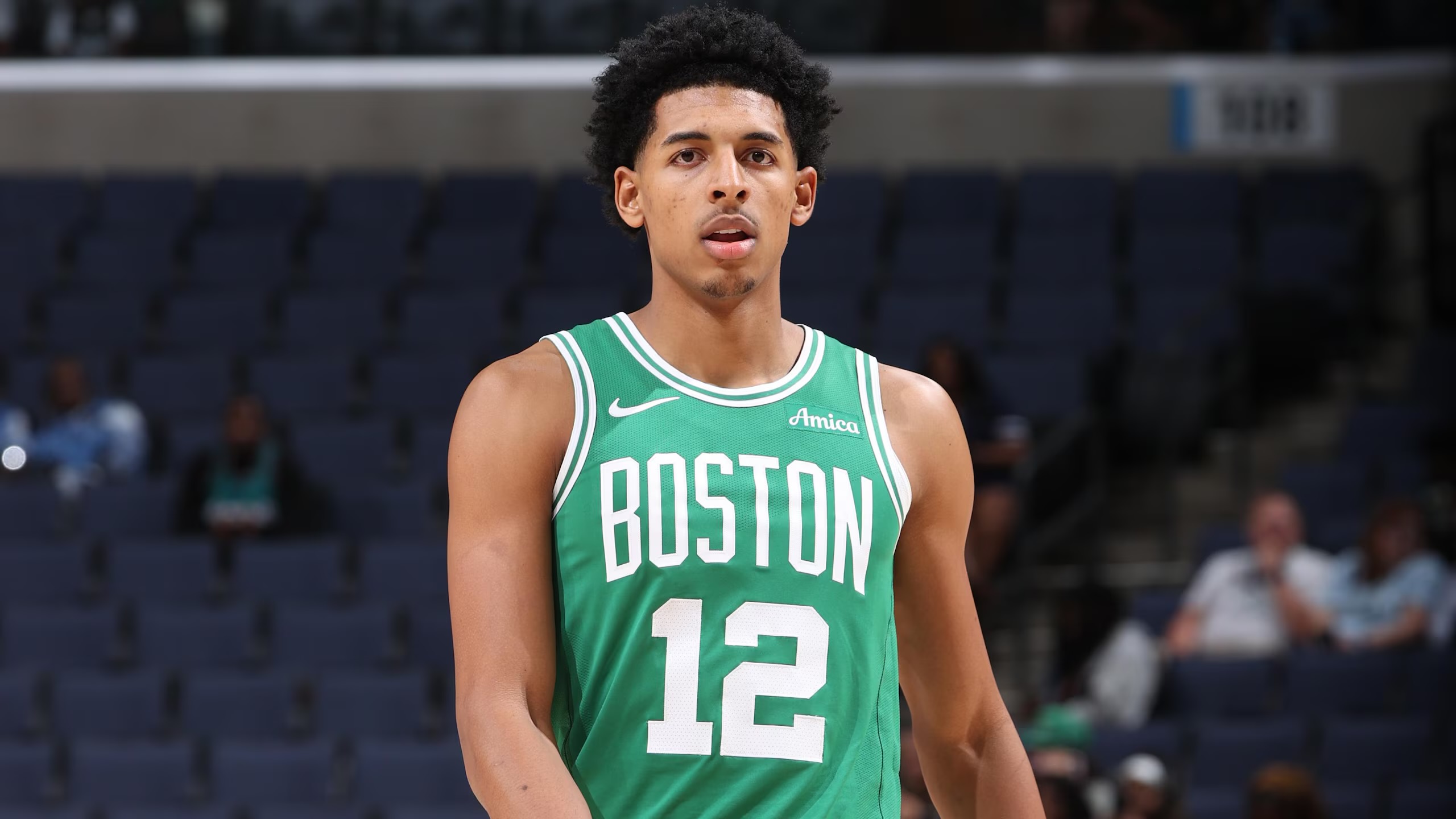
RJ Luis Jr., the former St. John’s star, signed a two-way NBA contract after going undrafted in 2025.
He was traded from the Utah Jazz to the Boston Celtics before the 2025-26 season, but he never appeared in an NBA regular-season game. He was eventually waived by the Celtics organization after spending time with the Maine Celtics. (CBS Sports)
Now he’s an LSU Tiger.
And on Monday, another major development arrived.
Luis was granted a preliminary injunction against the NCAA, clearing the way for him to play for LSU during the 2026-27 season. (TigerBait.com)
That distinction matters.
Luis is not technically a former NBA game player—he never appeared in an NBA regular-season game—but he did sign an NBA contract and was part of an NBA organization.
The fact that a player with that professional résumé can now potentially play college basketball again would’ve sounded impossible just a year ago.
LSU isn’t stopping there.
The Tigers also added former UCLA guard Skyy Clark, who received an additional season of eligibility after being part of the 2022 recruiting class. Clark spent four years in college and had already exhausted what was expected to be his eligibility before the recent court rulings changed the equation. (SI)
Former UCLA teammate Donovan Dent has also followed Clark to LSU. (Daily Bruin)
And then there is Saliou Niang, perhaps the most unusual basketball case of them all.
Niang was selected No. 58 overall by the Cleveland Cavaliers in the 2025 NBA Draft but remained overseas with Virtus Bologna rather than signing an NBA contract. He is now committed to LSU, giving the Tigers another player with legitimate professional basketball ties. (TigerBait.com)
So while calling every one of LSU’s additions a “former NBA player” would be inaccurate, the larger point remains:
LSU is recruiting players who, under the old rules, would’ve been completely removed from the college game.
How did we get here?
This isn’t simply LSU finding loopholes.
It’s the result of a rapidly changing legal environment surrounding college athletics.
The NCAA’s newer eligibility structure created a particularly complicated situation for athletes who entered college in 2022. Those players were caught between the old four-year model and newer rules providing five years of eligibility.
A series of lawsuits and temporary court orders have created opportunities for some of those athletes to regain eligibility.
That’s how a player can go from:
College → NFL → College
or
College → NBA contract → College
in the same athletic career.
The NCAA has pushed back against the trend, arguing that the court decisions are destabilizing the rules governing college sports. SEC commissioner Greg Sankey has also publicly expressed concerns about professional athletes returning to college. (AP News)
But until the courts—or the NCAA—establish a definitive boundary, coaches are going to operate within the rules available to them.
Kiffin certainly is.
So is Will Wade.
LSU is embracing the chaos
This is where LSU becomes particularly interesting.
Other schools are dealing with the same eligibility uncertainty.
But LSU is aggressively building around it.
Kiffin knows Wright and Harris from his time at Ole Miss. Wade has pursued experienced players who have professional connections and legal pathways back into college basketball.
It’s not necessarily a coincidence.
LSU has recognized that the current system rewards programs willing to navigate uncertainty.
There is also an obvious competitive incentive.
A 22-year-old tight end who just spent an offseason competing for an NFL roster is different from a traditional college freshman.
A basketball player who has already played at the highest levels of college basketball—or spent time inside a professional organization—brings a different level of experience.
And in an era where NIL has already blurred the line between college and professional sports, the distinction is becoming even harder to define.
The uncomfortable question
There is a legitimate argument on both sides.
For the players, this is about an opportunity they believe they were unfairly denied.
If a court says they have another year of eligibility, why shouldn’t they use it?
For coaches, it’s simple roster construction.
If the NCAA allows a player to compete, why wouldn’t a coach recruit him?
But there is another side.
What happens to the freshman who loses a roster spot?
What happens to the high school recruit who expected to compete for playing time?
And what happens when a college locker room contains players who were just competing for NFL jobs alongside teenagers who arrived directly from high school?
Those questions don’t have easy answers.
And the NCAA hasn’t provided many of them.
LSU may only be the beginning
The most important part of this story might not be what LSU is doing.
It might be what happens after LSU does it.
If Wright clears waivers and plays for the Tigers, the precedent will be established.
If Luis plays for LSU after signing an NBA contract, another barrier will fall.
And if those players succeed, there’s little reason to believe other coaches won’t pursue similar opportunities.
That’s exactly what Kiffin believes is coming.
College sports has spent years moving closer to professional sports.
NIL changed compensation.
The transfer portal changed roster movement.
Revenue sharing is changing the financial structure.
And now court decisions are challenging the idea that once an athlete becomes a professional, his or her college career is permanently over.
LSU just happens to be standing directly in the middle of it.
The Tigers aren’t simply building a football and basketball roster.
They’re testing what a college roster can look like in 2026.
And if Dae’Quan Wright eventually runs onto the field in purple and gold after spending the summer chasing an NFL roster spot, college football will have crossed a line that, until very recently, seemed impossible to cross.
The question is no longer whether college sports is becoming professional.
The question is how much of the professional world is now coming back to college.