

BYU enters 2026 with something it hasn't had in quite this form before: expectations that feel justified.
The Cougars have a legitimate Big 12 championship path, a schedule loaded with résumé opportunities and enough returning talent to make the College Football Playoff more than a preseason talking point.
But expectations don't win games.
For BYU to turn a promising roster into a playoff team, three things will matter more than anything else.
1. Bear Bachmeier Has to Take the Next Step
This is the obvious one, but it is also the most important.
BYU's ceiling in 2026 is tied directly to Bear Bachmeier.
After an encouraging freshman season, Bachmeier enters Year 2 with a much different set of expectations. He's no longer simply a young quarterback learning on the job. He's the centerpiece of an offense expected to compete against some of the best teams in the Big 12.
The talent is there.
Bachmeier can make throws from multiple platforms, extend plays with his legs, and create offense when the original play breaks down. But the next step is about consistency—making the right decision more often, avoiding costly mistakes, and playing his best football when the stakes are highest.
Those opportunities will come quickly.
Notre Dame comes to Provo in October. TCU awaits on the road. Then comes Utah in Salt Lake City.
If Bachmeier performs well in those games, BYU could have the quarterback play necessary to make a serious run at the CFP.
If he struggles, the margin for error becomes much smaller.
BYU doesn't need Bear to be perfect. It needs him to become a difference-maker.
2. The New-Look Receiving Corps Has to Produce
BYU's biggest offensive question isn't really whether it has enough talent at receiver.
It's whether that talent can produce immediately.
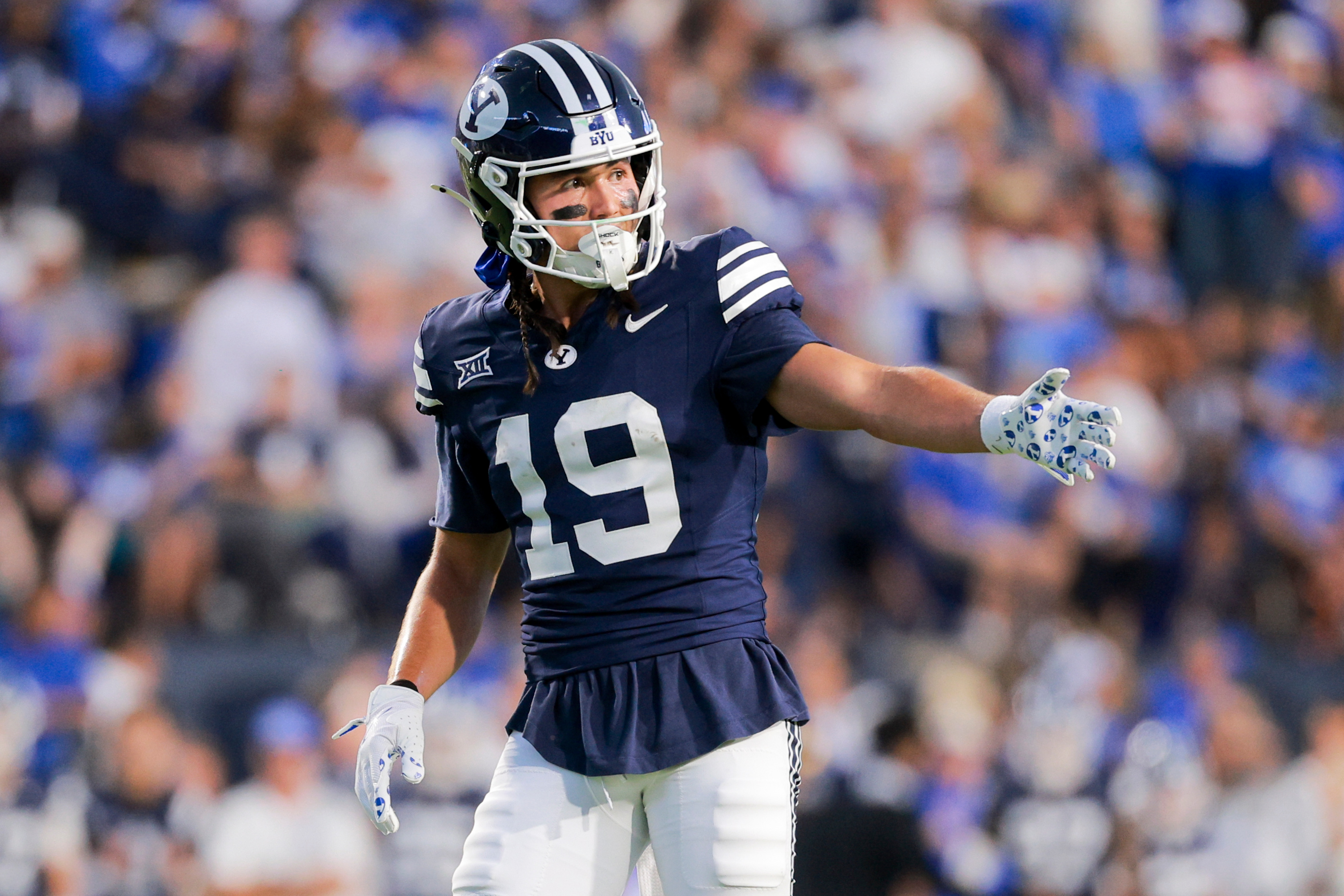
The Cougars lost significant production from last year's group, leaving players such as Jojo Phillips, Kyler Kasper and Tiger Bachmeier with opportunities to take on much larger roles.
Phillips has the size and experience to emerge as the team's No. 1 target. Kasper brings tremendous physical upside after transferring from Oregon. Bachmeier is entering a critical season, while younger players such as Legend Glasker and Jaron Pula could force their way into the rotation.
That's a lot of potential.
But potential doesn't show up on the stat sheet.
Someone has to become the receiver Bachmeier trusts when BYU needs 12 yards on third-and-8. Someone has to win a contested catch against a top corner. Someone has to turn a short completion into a 40-yard gain.
The good news is BYU doesn't need one player to replace Chase Roberts.
It needs several players to collectively replace the production that left.
If three or four receivers emerge as legitimate threats, this offense becomes much harder to defend.
If they don't, defenses can load up against Martin and force Bachmeier to beat them without reliable answers on the outside.
This could be the difference between a good BYU offense and a dangerous one.
3. BYU Has to Win the Games That Can Change Its Résumé
There is a difference between having a good record and having a playoff résumé.
BYU's schedule gives the Cougars opportunities to build one.
Notre Dame and Utah are the obvious headliners, but Arizona and TCU could also become valuable wins depending on how their seasons develop.
BYU doesn't necessarily need to win every marquee game.
But it needs to win enough of them.
A victory over Notre Dame would immediately give the Cougars one of the biggest wins on their résumé. Beating Utah on the road would carry enormous weight as well. If BYU can win both, suddenly the Cougars aren't simply hoping to make the playoff—they're building a résumé that demands consideration.
The other side of the equation is just as important.
BYU cannot afford to throw away games against teams it is expected to beat.
A loss to a lower-tier Big 12 opponent could erase much of the value created by a marquee victory.
That's the challenge of the 2026 schedule: win the games you're supposed to win, then capitalize when the big opportunities arrive.
The Bottom Line
BYU doesn't need a perfect season.
It needs the right version of itself.
If Bear Bachmeier takes a significant step forward, the receiving corps develops faster than expected and the Cougars capitalize on their biggest résumé opportunities, there's a legitimate path to Arlington—and potentially beyond.
The margin for error will be small.
But that's what happens when expectations change.
BYU isn't entering 2026 hoping to surprise people.
It's entering the season with a chance to prove it belongs among the country's best.